The Philosophy
Less, but considered absolutely.
I — Material
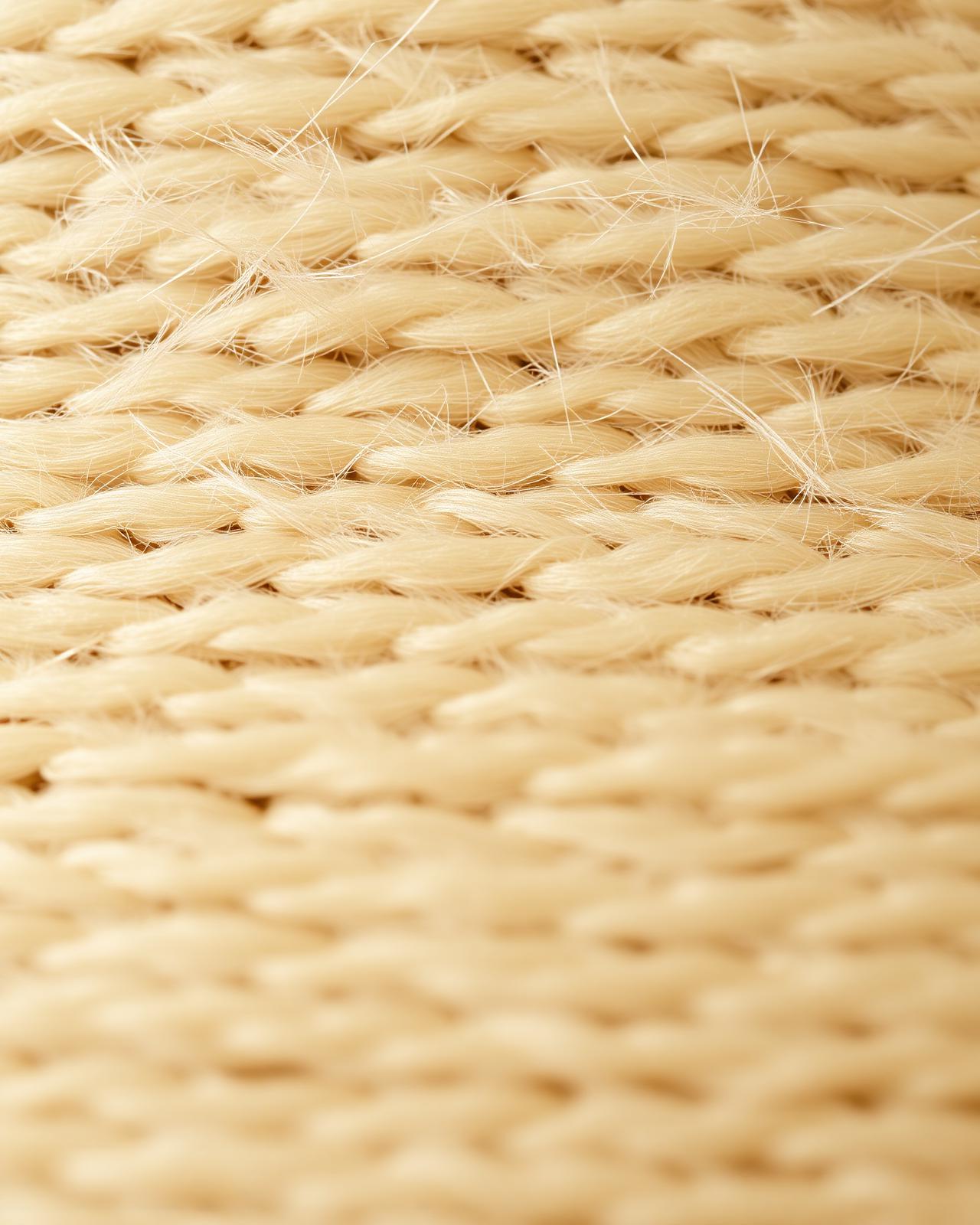
We begin with the fibre. Not the silhouette, not the season. The fibre.
The behaviour of a garment is largely determined before it is cut. A poorly chosen fibre cannot be redeemed by tailoring; a well-chosen fibre demands very little intervention. We work, accordingly, with raw materials selected on a single criterion: that they perform beyond the requirements of the garment.
In wool, this means 17.9-micron Australian Merino, classed and traded by station rather than commodity lot. In cotton, it means long-staple Pima, combed twice. In outerwear, it means a cashmere-wool blend woven on slow looms, where the air is humid enough to keep the fibre supple during finishing.
II — Provenance
Global to global. We travel to the source.
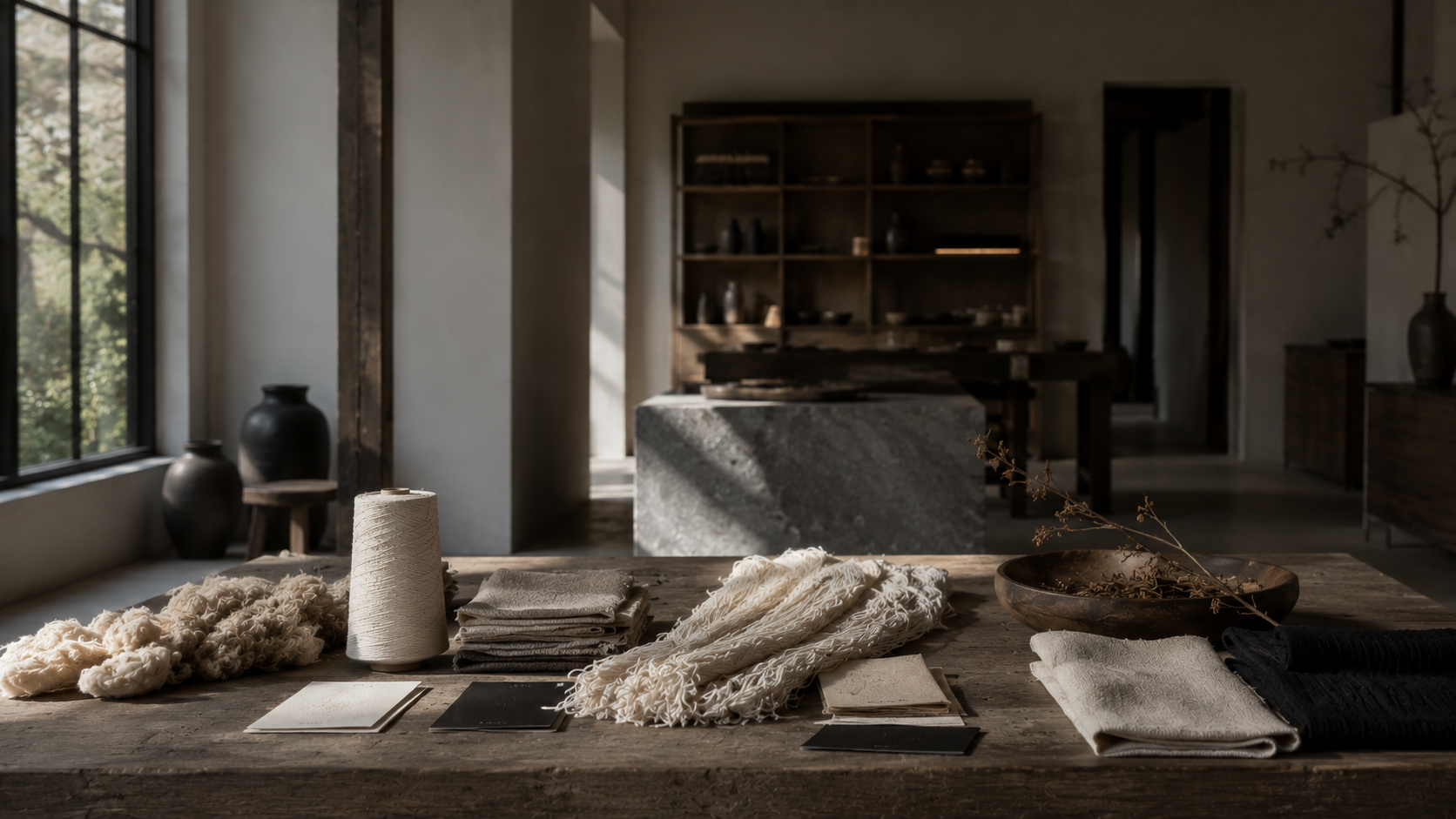
There is no logic in routing mediocre raw materials around the world in pursuit of cheap finishing. There is logic in identifying the finest version of a single material in its country of origin, and pairing it with the workshop best equipped to handle it — wherever that workshop is located.
Every Blanq piece carries this question: where in the world is this fibre made at its best? And where in the world is it worked with the care it deserves?
III — Restraint
The discipline is in what we choose not to make.
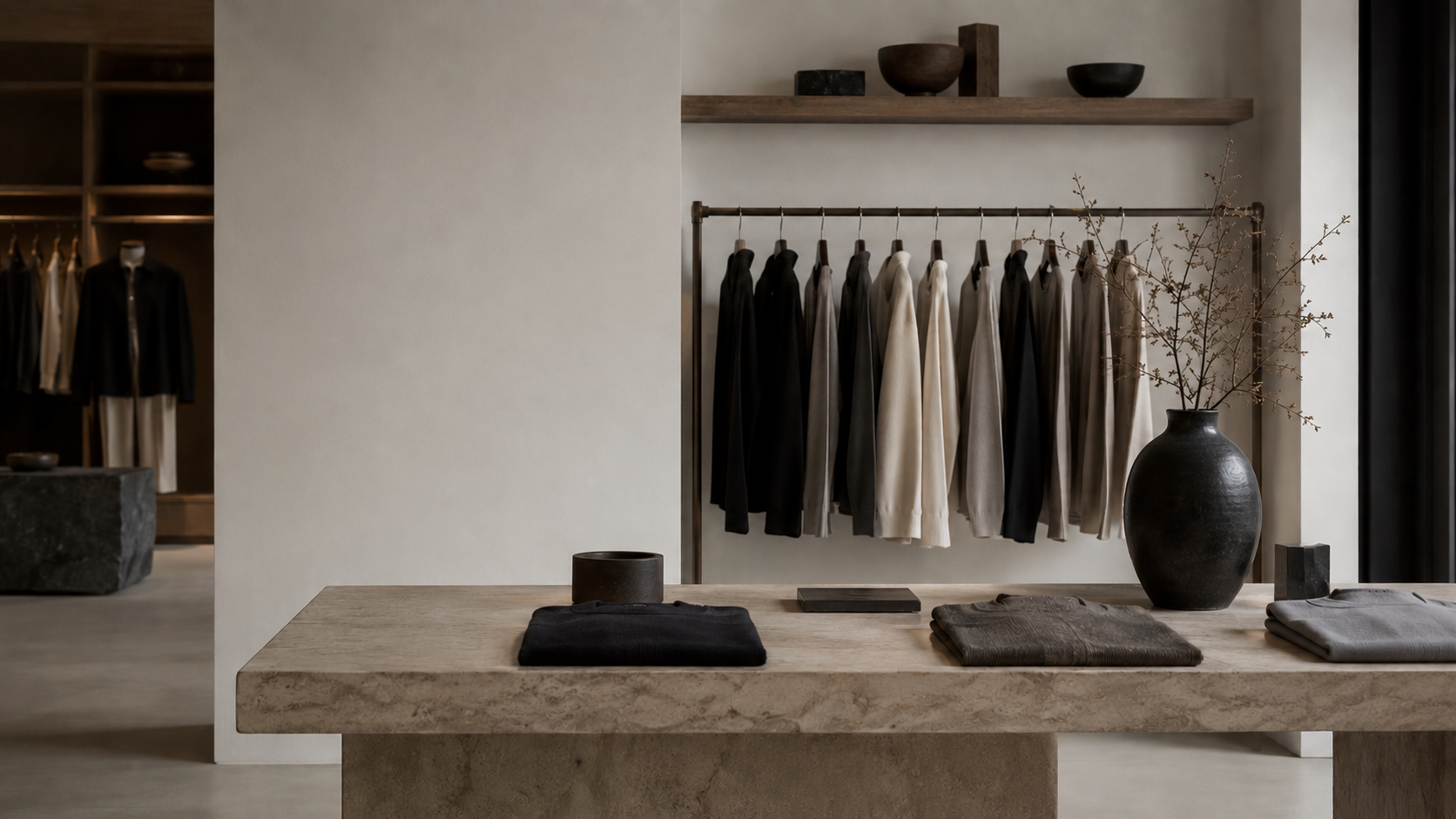
We keep a small catalogue. Nothing stays indefinitely, but nothing is released out of urgency either. No seasonal departures, no capsules, no campaigns engineered around the calendar.
A piece earns its place. It leaves when a better version of it is found, or when it stops saying what it needs to say. A living catalogue, not an archive.
This is, finally, what quiet luxury means to us. Not an aesthetic. A method.
IV — Expression
The fibre sets the limit of what is possible. The body writes the sentence.
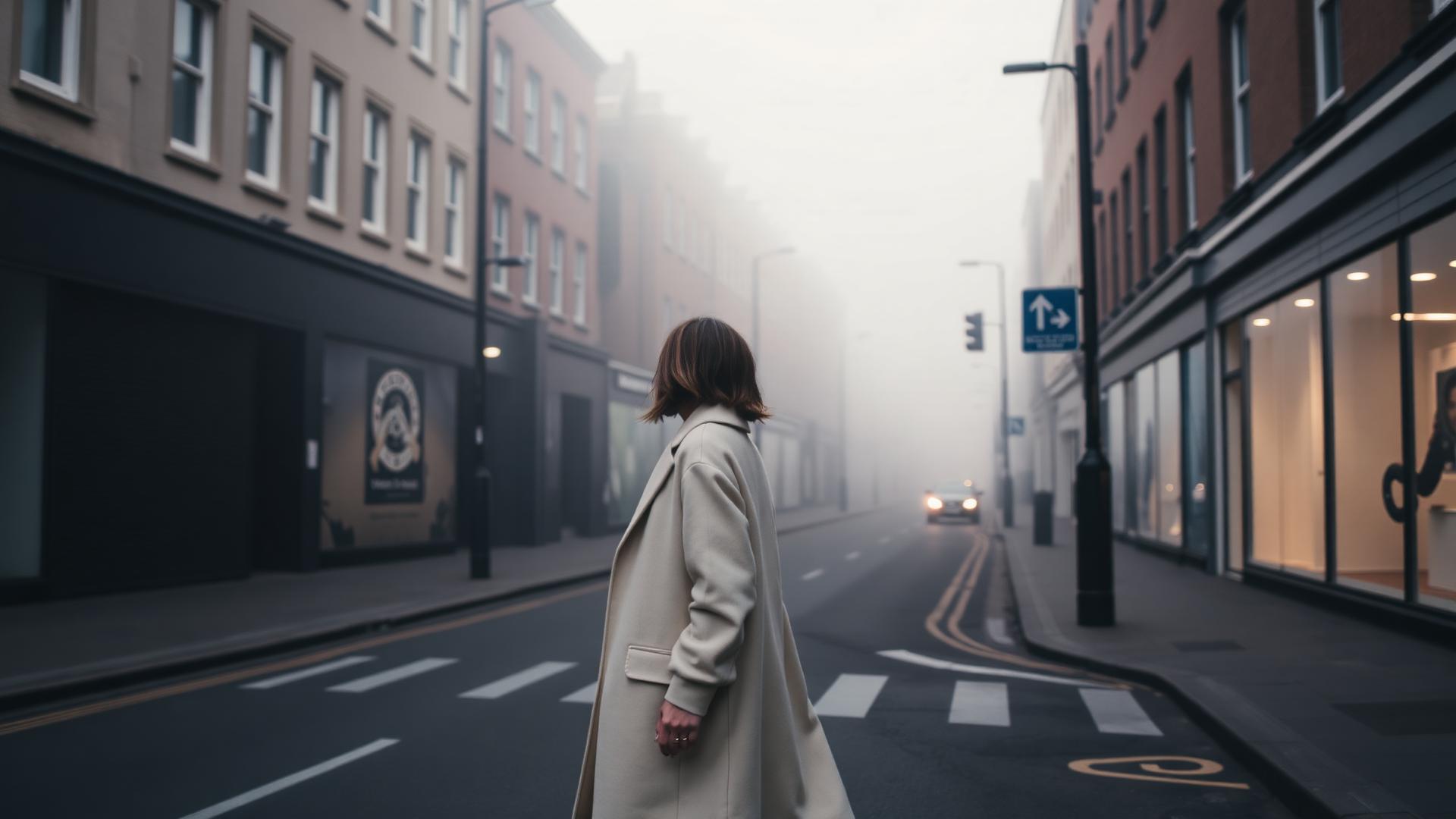
A garment woven from the finest fibre in the world stays silent until it meets a body. It is the body that finishes the workshop's work: the posture, the gesture, the stride.
We believe the shape of a woman is, very often, complete in itself — waiting only for the right detail to become whole. That detail, more often than not, is what she chooses to wear.
Begin